Jumalia Font: A Handwritten Typeface That Elevates Brand Identity
There I was, sipping my morning coffee and staring at the new packaging mockups for a boutique that I’ve been helping rebrand. The owner had spent months refining her brand story—wholesome, handcrafted, and deeply personal—but the typeface on her product tags felt generic and uninspired. It didn’t reflect the care she put into every item she sold. Then it hit me: typography is one of the most overlooked yet powerful tools in branding. That’s when I discovered Jumalia, a handwritten font with an elegant touch that instantly transformed the look and feel of her designs.
What Is Jumalia?
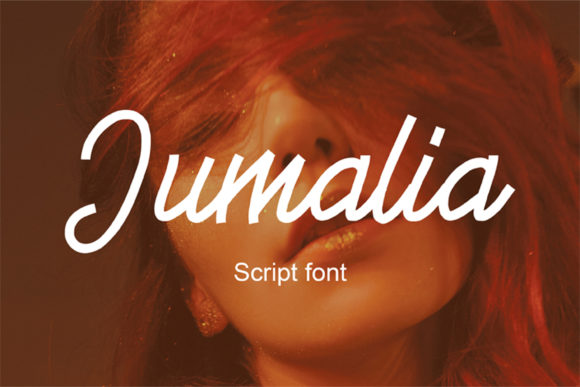
Jumalia is a flowing script typeface that brings warmth and character to any design. It’s not just another decorative font—it has a timeless quality that feels both modern and classic. Its natural, handwritten strokes give it a human element, while the balance between fluidity and structure makes it surprisingly versatile. When you look at Jumalia, it whispers “craftsmanship” and shouts “attention to detail.” That duality is exactly what small businesses need to stand out in today’s crowded market.
Putting Jumalia to the Test
To see how well Jumalia works in real-world applications, I used it across several customer-facing materials for a local candle company. Their products are all about ambiance and self-care, so the right font needed to evoke calmness and elegance without being too fussy. I applied Jumalia to their label headers, social media captions, and even a custom thank-you card they were planning to send with each order.
The results? Instantly more polished. The labels felt curated rather than slapped together. On Instagram, the text paired with warm imagery drew more comments and shares. And the thank-you cards? They received feedback from customers saying they felt like a personal note from the creator. That’s the kind of emotional connection a good font can create.
Why Script Fonts Matter for Branding
Script fonts like Jumalia add personality and visual interest to a brand’s identity. They’re especially effective for businesses that want to communicate artistry, tradition, or a personal touch. Unlike rigid sans serif or serif fonts, script typefaces carry a sense of movement and expression, making them ideal for logos, packaging, and marketing materials where first impressions count.
But not all script fonts are created equal. Some are too ornate for readability, others lack consistency across characters. Jumalia strikes a perfect balance—it’s stylish enough to grab attention but still retains legibility, especially when used correctly. As a creative consultant, I know that choosing the right typeface means understanding both aesthetics and function, and Jumalia passes that test with flying colors.
Jumalia in Action: Real-World Applications
- Logo Design: Jumalia adds a refined, artistic flair to logos. For a beauty brand I worked with recently, using this font as the main logo text helped establish a signature look that stood apart from competitors.
- Product Labels: The flow and soft curves of Jumalia work beautifully for labeling handmade skincare products, candles, or artisanal goods. It conveys a sense of authenticity and luxury.
- Menus and Flyers: In editorial design, such as café menus or event flyers, Jumalia can be used for headings and titles to create a welcoming, inviting vibe.
- Social Media Graphics: Whether it’s a post promoting a new collection or a seasonal offer, Jumalia helps craft a cohesive visual language across platforms.
- Website Banners: When designing an online shop banner, the font adds a layer of sophistication that complements high-quality photography and builds trust with visitors.
When to Use Jumalia and When to Avoid It
Jumalia shines brightest in headlines, taglines, and short phrases. Because of its decorative nature, it’s best reserved for display text rather than body copy. For instance, it looks stunning as the headline on a bakery box or the title of a boutique’s latest collection. But if you use it for long paragraphs of information, like ingredient lists or product descriptions, you’ll lose clarity and risk confusing your audience.
Here’s a quick guide to where Jumalia thrives:
- Headlines and Taglines: Perfect for creating memorable slogans and brand mottos.
- Logo Text: Adds a unique, personalized feel to a brand’s name.
- Decorative Accents: Ideal for borders, quotes, and subtle touches in design assets.
- Product Titles: Especially effective on items like greeting cards, candles, or jewelry boxes.
However, avoid using it in situations where readability is critical—like pricing details, small print labels, or mobile interfaces. Always consider the context and scale before finalizing your layout.
Readability Tips for Small Business Owners
Even though Jumalia is a beautiful script font, it needs thoughtful application to maintain its charm and usability. Here are some tips I shared with clients who wanted to implement it successfully:
- Use generous line spacing: This prevents letters from feeling cramped and maintains a clean appearance.
- Opt for bold or semi-bold weights when necessary: If you're printing on a small label or designing a thumbnail for social media, make sure the font remains visible at a glance.
- Test it on different backgrounds: Jumalia can become difficult to read if placed over busy textures or photos. Pair it with solid colors or minimalistic backdrops for best results.
- Limit character length: Keep text concise—especially in logos and headers. Too many characters can reduce impact and make the font appear cluttered.
Font Pairing Suggestions
One of the biggest questions I get from small business owners is, “How do I pair fonts?” The answer lies in contrast and harmony. Jumalia pairs particularly well with clean sans serif fonts for a modern twist or elegant serif fonts for a more traditional aesthetic. Avoid pairing it with other highly stylized script fonts unless you’re going for a very specific, layered design style. In most cases, sticking to one premium font per project keeps your brand identity focused and professional.
Choosing the Right Format and Licensing
Before using Jumalia in your branding materials, it’s important to check the file formats included and ensure they match your needs. Most commercial font packages will include OTF and TTF files, which are essential for both digital and print use. You should also verify whether the font includes ligatures and alternates—these little extras can elevate your design by adding visual variety and personality. Additionally, confirm that the font license covers your intended usage. Are you printing physical products like stickers or packaging? Do you plan to use it in digital downloads or client projects? Different licensing models apply depending on your business model, and staying within those boundaries is key to avoiding legal issues down the road.
A Typography Upgrade That Feels Like a Second Skin
Switching to Jumalia isn’t just about changing the font on your website or logo. It’s about aligning your visual identity with the values your business stands for. Whether you run a cozy café, a boutique selling vintage-inspired accessories, or an online store offering handmade soaps, the right typeface can unify your brand across all touchpoints—from your packaging to your Instagram feed. I’ve seen firsthand how a well-chosen font can help a brand feel more trustworthy and consistent. One of my favorite moments was when a client—a small flower shop—used Jumalia for their holiday signage and delivery notes. The result wasn’t just visually appealing; it felt intentional. Customers began recognizing the style immediately, which helped build familiarity and loyalty over time.
Final Considerations for Brand Builders
If you're considering Jumalia for your next branding project, here are a few final thoughts:
- Use it sparingly for maximum impact. Less is often more with script fonts.
- Always test it in different sizes and environments—both printed and digital.
- Make sure it complements your overall brand palette and imagery.
- Check multilingual support if your business operates internationally or caters to diverse audiences.
In the end, Jumalia is more than just a pretty font. It’s a design decision that reflects your brand’s story and values. By incorporating it thoughtfully into your materials, you can create a more polished, consistent, and emotionally resonant brand experience for your customers.